
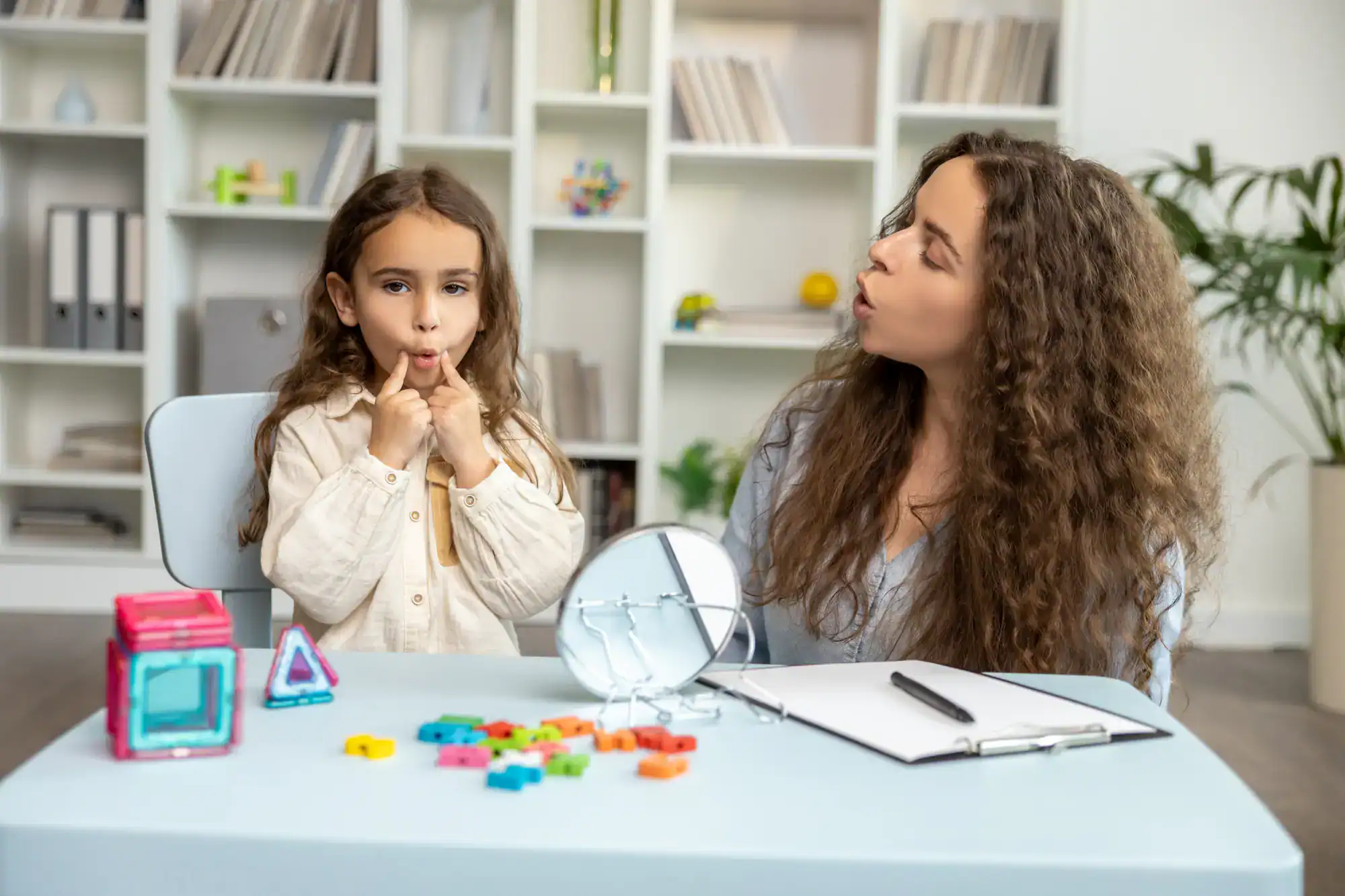

You’ll see the difference when your child starts sleeping better, focusing in school, and actually enjoying family time again. Our neuroscience-backed approach combines play therapy with proven behavioral techniques that speak your child’s language.
Kids learn to manage big emotions without meltdowns. They develop real coping skills that work in the classroom and at home. Parents finally get the tools they need to support their child’s growth instead of just managing crisis after crisis.
The result? A child who feels understood, capable, and ready to take on challenges with confidence rather than fear.
We at Dynamic Counseling LCSW have been serving families in the Stony Brook University area with specialized child therapy that combines cutting-edge neuroscience research with compassionate care. We understand that every child’s brain works differently, especially in Suffolk County where academic pressure and family expectations can create additional stress.
Our approach isn’t just talk therapy. We use evidence-based methods including play therapy, cognitive behavioral techniques, and family systems work that actually create lasting change.
Located in the heart of Long Island’s academic community, we’ve seen firsthand how the right therapeutic support can transform a struggling child into a thriving one.

First, we conduct a comprehensive evaluation that looks at your child’s unique strengths, challenges, and developmental needs. This isn’t a one-size-fits-all assessment – we take time to understand what’s really happening beneath the surface behaviors.
Next, we create a personalized treatment plan using age-appropriate therapeutic techniques. For younger children, this often means play therapy where they can express complex emotions through games and creative activities. Older kids might engage in cognitive behavioral work to develop practical coping strategies.
Throughout the process, we involve you as the parent. You’ll learn specific techniques to support your child’s progress at home, creating consistency between therapy sessions and daily life. We also coordinate with teachers and other caregivers when appropriate to ensure everyone is working toward the same goals.

Ready to get started?
Our child therapy services address the full spectrum of childhood mental health challenges common in the Stony Brook University area. We specialize in ADHD therapy using behavioral interventions that help kids develop self-regulation skills without relying solely on medication.
For children with anxiety, we use play-based exposure techniques that feel like games rather than scary challenges. Depression in children often looks different than adult depression – we know how to spot the signs and create treatment plans that restore joy and engagement.
Suffolk County families particularly benefit from our collaborative approach. We understand the academic pressures facing children in this high-achieving community and work to build resilience rather than just manage symptoms. Our neuroscience-informed methods help children understand their own brains, giving them tools they can use throughout their lives.

Look for persistent changes in your child’s behavior, mood, or functioning that last more than a few weeks. This might include increased tantrums, difficulty sleeping, problems at school, withdrawal from activities they used to enjoy, or aggressive behavior toward siblings or peers.
In the Stony Brook area, we often see children struggling with academic pressure, social anxiety, or ADHD symptoms that interfere with daily life. If your child’s challenges are affecting their ability to succeed at school, maintain friendships, or participate in family activities, therapy can help.
Trust your instincts as a parent. If you’re concerned about your child’s emotional well-being or behavior, a consultation can provide clarity and peace of mind.
Play therapy works because it meets children where they are developmentally. Kids with ADHD often struggle with traditional talk therapy because sitting still and verbalizing complex emotions can be challenging. Through play, they can express feelings and work through problems naturally.
During play therapy sessions, children learn self-regulation skills through games and activities that feel engaging rather than like work. They practice impulse control, social skills, and emotional expression in a safe environment where there’s no pressure to perform or behave perfectly.
Research shows that behavioral interventions like play therapy can be as effective as medication for younger children with ADHD. We combine play techniques with parent training to ensure the skills your child learns in therapy transfer to home and school settings.
Many families in Suffolk County start seeing positive changes within the first 4-6 sessions, though every child’s timeline is different. Initial improvements often include better sleep, fewer meltdowns, or increased willingness to try new things.
Significant behavioral and emotional changes typically emerge over 3-6 months of consistent therapy. Children with ADHD might show improved focus and self-control, while anxious children often become more willing to engage in previously avoided activities.
The key is consistency and family involvement. Children who attend regular sessions and whose parents actively participate in the therapeutic process tend to see faster, more lasting results. We’ll track progress together and adjust our approach as needed to ensure your child is moving toward their goals.
Yes, we regularly collaborate with schools throughout Suffolk County, including those serving the Stony Brook University community. We can provide consultation to teachers, attend IEP meetings, and help develop behavioral plans that work in classroom settings.
Our neuroscience-backed approach helps school staff understand how your child’s brain works and what interventions are most likely to succeed. We can recommend classroom accommodations, social skills strategies, and ways to support your child’s emotional regulation during the school day.
With your permission, we’ll communicate directly with teachers and school counselors to ensure consistency between therapeutic goals and educational support. This collaborative approach often leads to faster progress and better outcomes for children.
The first session focuses on helping your child feel comfortable and safe in the therapy space. We’ll start with simple, engaging activities that allow your child to explore the room and begin building rapport with their therapist.
For younger children, this might involve playing with toys, drawing, or engaging in simple games. Older children might participate in more structured activities or conversations about their interests and concerns. We never push children to share more than they’re comfortable with.
You’ll be involved in part of the first session to discuss your concerns, your child’s history, and treatment goals. We’ll explain our approach and answer any questions you have about the therapeutic process. By the end of the session, we’ll have a clear plan for moving forward.
Parent involvement is crucial to successful child therapy outcomes. We provide regular parent training sessions where you’ll learn specific techniques to support your child’s emotional and behavioral development at home.
You’ll receive practical strategies for managing difficult behaviors, promoting emotional regulation, and strengthening your relationship with your child. We teach you how to recognize triggers, implement consistent consequences, and create a supportive home environment that reinforces therapeutic progress.
We also offer periodic family sessions where parents and children work together on communication skills, problem-solving strategies, and relationship building. Our goal is to equip you with tools that extend far beyond the therapy room, creating lasting positive changes in your family dynamic.