
You know something’s different when your child melts down over homework every night. When they avoid birthday parties because social situations feel overwhelming. When bedtime becomes a battle because their mind won’t stop racing.
Here’s what changes when children get the right support: They start handling disappointment without falling apart. They make friends more easily and actually want to participate in activities. They sleep better, focus longer, and approach challenges with confidence instead of fear.
Your child already has everything they need inside them. Our job is helping them access those strengths and teaching them tools that actually work in real situations—like when their friend says something hurtful or when math homework feels impossible.
Dynamic Counseling LCSW has spent years helping Miller Place families navigate the real challenges kids face today. Our licensed clinical social workers understand that behind every “difficult behavior” is a child trying to communicate something important.
We’re not the practice that hands you a generic treatment plan and hopes for the best. We take time to understand your child’s personality, what makes them tick, and what specific situations trigger their struggles. Then we build from there.
Miller Place families keep coming back because we see their children as individuals, not diagnoses. Whether your child is the quiet one who worries about everything or the energetic one who can’t sit still, we meet them where they are and help them build on their natural strengths.

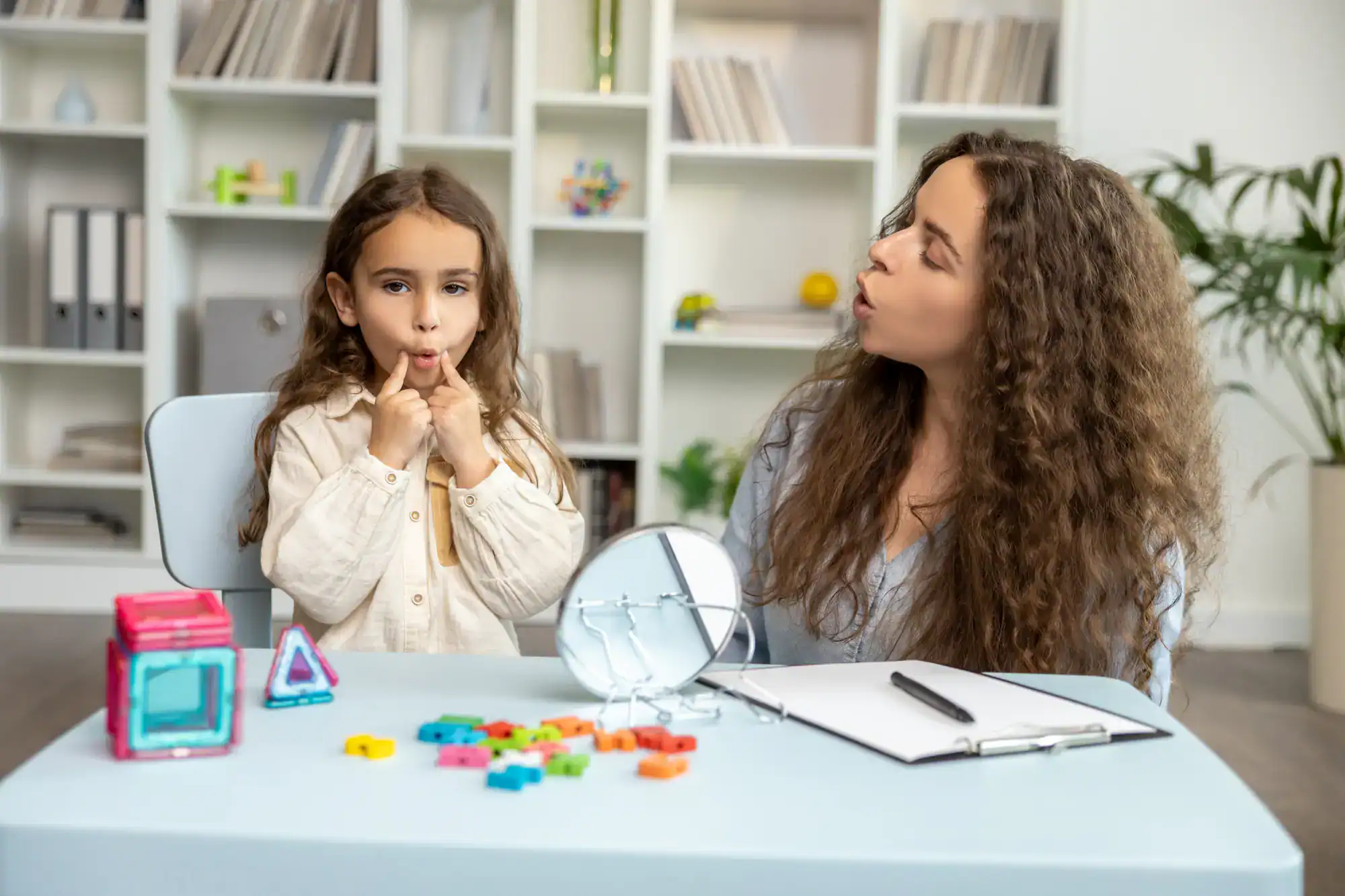
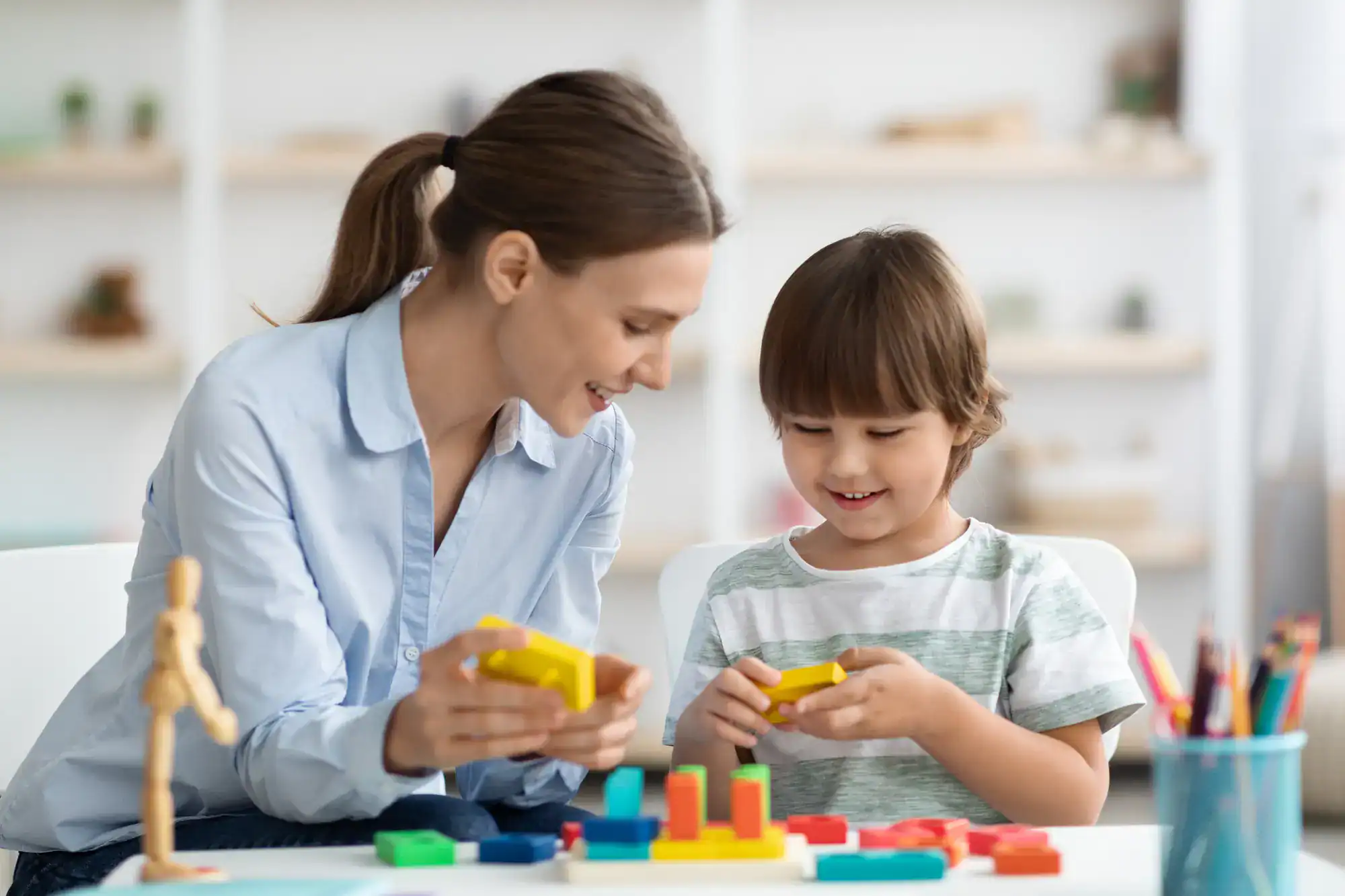
First, we spend time getting to know your child without any pressure or formal testing. Kids explore our therapy space, play with toys, and start feeling comfortable while we observe how they naturally communicate and cope with new situations.
Then we create a plan that makes sense for your family’s real life. Maybe your 6-year-old needs play therapy to work through big feelings they can’t name yet. Maybe your 10-year-old benefits from learning specific strategies for managing anxiety or ADHD symptoms during school hours.
You’re involved every step of the way. We teach you what’s working in sessions so you can support the same growth at home. When appropriate, we coordinate with teachers to ensure your child gets consistent support across all their environments.

Ready to get started?
We treat the full range of childhood mental health concerns that Miller Place families encounter: anxiety that shows up as stomachaches before school, ADHD that makes homework time a nightmare, depression that looks like withdrawal from friends and activities, and behavioral challenges that leave everyone exhausted.
Our play therapy approach works especially well for younger children who process the world through play rather than words. For school-age kids dealing with ADHD, we focus on practical executive functioning skills that help them stay organized, follow directions, and manage their energy in productive ways.
Suffolk County families appreciate that we understand the unique pressures kids face in our community—from academic expectations to social media stress. We help children develop resilience while staying true to who they are, not who others think they should be.

Trust your gut. If you’re noticing persistent changes that last more than a few weeks—like frequent meltdowns, sleep problems, withdrawal from friends, or new fears that seem out of nowhere—it’s worth getting a professional perspective.
Many Miller Place parents tell us they waited longer than they wish they had. They thought their child would “grow out of it” or worried about overreacting. But children don’t typically develop lasting coping skills on their own when they’re overwhelmed.
The earlier you address emotional or behavioral concerns, the easier they are to resolve. Even if therapy isn’t needed long-term, a few sessions can give you tools and peace of mind. There’s no downside to getting your questions answered by someone who specializes in child development.
Play therapy looks different for every child, but the goal is always the same: helping them process experiences and emotions through their natural language of play. Your child might use dolls to act out family situations, create elaborate stories with toy figures, or express feelings through art and movement.
We’re not just watching them play—we’re carefully observing patterns, reflecting their emotions back to them, and helping them practice new ways of handling difficult situations. A child who struggles with anger might learn to express those feelings through clay work before practicing calmer responses to frustrating situations.
The magic happens when children realize they have more control over their emotions and reactions than they thought. They start applying problem-solving skills from the playroom to real-life situations at home and school, building confidence with each success.
Most children show noticeable improvement within the first 8-12 sessions, though the total length depends on several factors: the complexity of their challenges, how long issues have been present, and how consistently therapeutic strategies are reinforced at home.
Children dealing with recent changes—like divorce, moving, or starting a new school—often need shorter-term support to process the transition. Kids with anxiety, ADHD, or trauma histories typically benefit from longer therapeutic relationships that provide ongoing skill-building and emotional support.
We review progress regularly and adjust our approach as your child grows and develops. Our goal is always independence—helping your child develop internal coping skills so they can handle life’s challenges confidently without needing ongoing therapy support.
Absolutely. We specialize in helping children with ADHD develop practical skills for managing attention, organization, and impulse control in real-world settings. This includes everything from creating homework routines that actually work to teaching self-regulation strategies for classroom situations.
We focus heavily on executive functioning skills: time management, planning, organization, and emotional regulation. Children learn to break down overwhelming tasks, use visual reminders effectively, and recognize their own attention patterns so they can work with their brain instead of against it.
Parent education is crucial because ADHD affects the whole family. We teach you how to set up your home environment for success, implement consistent routines, and respond to ADHD behaviors in ways that build your child’s confidence rather than creating more conflict.
Very involved, but in ways that support your child’s progress rather than overwhelming them. We include parents in initial assessments, regular check-ins, and specific sessions focused on teaching you therapeutic techniques to use at home.
For younger children, you might join portions of sessions to learn how to implement play therapy techniques during daily routines. With older children, we balance individual therapy time with family sessions that improve communication and address specific relationship dynamics.
Between sessions, we provide concrete strategies you can use to reinforce your child’s therapeutic gains. This might include behavior management approaches, communication techniques, or ways to help your child practice emotional regulation skills in everyday Miller Place family life.
The first session is designed to feel comfortable and non-threatening for your child. We’ll spend time talking with you about your concerns while your child explores our therapy space and gets familiar with available toys and materials.
Your child sets the pace—some jump right into play while others prefer to observe first. We’re gathering information about their communication style, emotional responses, and natural coping mechanisms, but it doesn’t feel like an evaluation to them.
By the end of the session, you’ll have a clear understanding of how we can help, what treatment might look like, and realistic expectations for progress. Most importantly, your child will feel comfortable returning, which is essential for building the trust that makes therapy effective.