
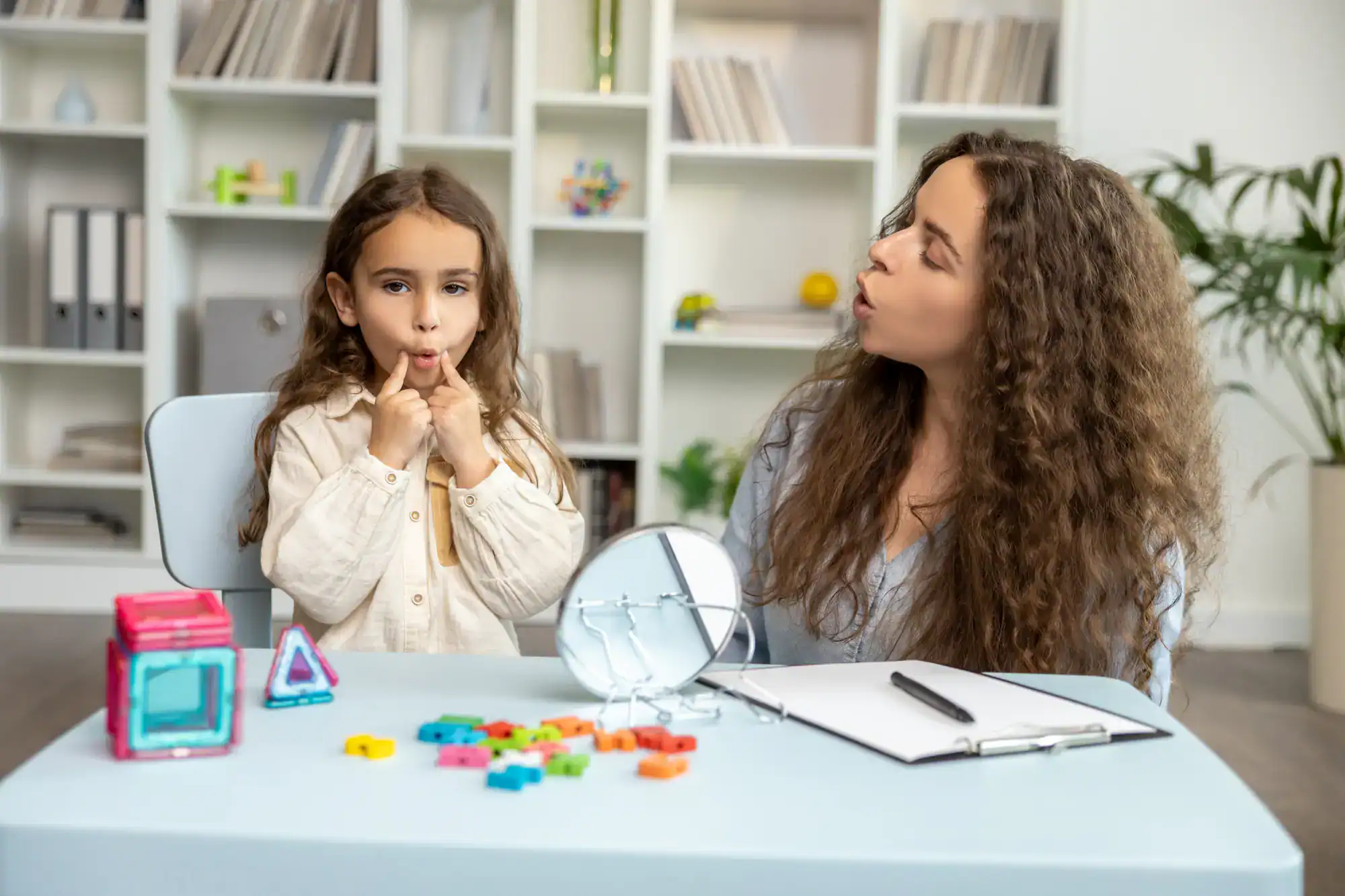

Your child doesn’t have to carry anxiety, sadness, or behavioral challenges alone. Through our specialized child therapy in East Farmingdale, NY, kids learn practical coping strategies that actually work. They develop emotional regulation skills, build stronger relationships with friends and family, and regain their natural curiosity and joy.
You’ll see the difference in how they handle stress at school, communicate their feelings, and approach new situations. Instead of meltdowns and withdrawal, you’ll watch your child develop resilience and confidence that carries them through childhood and beyond.
Our approach goes beyond just talking. We use play therapy, creative techniques, and age-appropriate methods that make sense to young minds, helping them process emotions and develop healthy patterns that last.
Dynamic Counseling LCSW has been serving families throughout Suffolk County for years, and we understand the unique pressures kids face in East Farmingdale. From academic stress at local schools to social challenges that come with growing up on Long Island, we’ve helped hundreds of children navigate these specific hurdles.
Our licensed therapists specialize in child development and use evidence-based approaches proven effective with kids. We’re not just another therapy practice—we’re part of this community, and we genuinely care about helping East Farmingdale families thrive.
Every child who walks through our doors gets personalized attention. We take time to understand your child’s specific needs, personality, and goals before creating a treatment plan that makes sense for your family.

Getting help for your child doesn’t have to be overwhelming. We start with a comprehensive assessment where we get to know your child and understand what’s been happening at home and school. This isn’t just paperwork—it’s a conversation about your child’s strengths, challenges, and what you’re hoping to achieve.
From there, we create a personalized treatment plan using approaches that work best for your child’s age and personality. Some kids respond well to play therapy, others benefit from art or movement-based techniques. We adapt our methods to what clicks with your child.
Throughout the process, we keep you involved. You’ll get regular updates on progress, strategies to use at home, and support for the whole family. Our goal isn’t just to help your child during our sessions—it’s to give them tools they can use everywhere.

Ready to get started?
Child therapy in East Farmingdale, NY looks different from adult counseling, and it should. Kids don’t always have the words for what they’re feeling, which is why we use play therapy, art therapy, and other creative approaches that let them express themselves naturally.
We treat anxiety, depression, ADHD, behavioral issues, trauma, and social challenges. Whether your child is struggling with school performance, friendship drama, family changes, or just seems unhappy, we have specific techniques that help kids their age.
East Farmingdale families deal with unique stressors—from competitive academic environments to the fast pace of Long Island life. We understand these local pressures and help kids develop coping strategies that work in their specific environment. Our therapists stay current with the latest research in child development and trauma-informed care, ensuring your child gets the most effective treatment available.

Trust your instincts as a parent. If you’ve noticed changes in your child’s behavior, mood, or functioning that last more than a few weeks, it’s worth getting professional input. Common signs include increased anxiety or worry, withdrawal from activities they used to enjoy, difficulty sleeping, changes in appetite, behavioral outbursts, or struggles at school.
You don’t need to wait for a crisis. Many parents find that early intervention helps prevent bigger problems down the road. Even if your child is just going through a tough time with a life change or transition, therapy can provide valuable support and coping tools.
During our initial consultation, we’ll help you understand whether therapy would benefit your child and what approach might work best for your specific situation.
Child therapy uses developmentally appropriate techniques that match how kids naturally communicate and learn. Instead of just talking, we use play therapy, art, games, and movement to help children express their feelings and work through challenges.
Our therapists are specifically trained in child development and understand how young brains process emotions and trauma. We know that a 7-year-old needs different approaches than a teenager, and we adjust our methods accordingly.
We also work closely with parents and sometimes teachers to ensure the strategies we’re teaching in therapy get reinforced in your child’s daily life. It’s a more collaborative, family-centered approach that recognizes parents as essential partners in their child’s healing.
Every child is different, but most families start seeing positive changes within the first few sessions. Some children need only short-term support to work through a specific issue, while others benefit from longer-term therapy to address ongoing challenges.
We typically recommend starting with weekly sessions and then adjusting frequency based on your child’s progress and needs. Many families find that 12-20 sessions provide significant improvement, though some children benefit from periodic check-ins over several months.
We’ll regularly assess progress with you and your child, and we’re always honest about what we’re seeing and what we recommend. Our goal is to help your child develop the skills they need to handle life’s challenges independently, not to keep them in therapy indefinitely.
This is one of the most common concerns parents have, and it’s completely understandable. Many children are initially hesitant to open up to someone new, especially if they’re feeling anxious or have had negative experiences with adults.
Our therapists are skilled at building rapport with children and making them feel safe and comfortable. We don’t pressure kids to talk before they’re ready. Instead, we meet them where they are—sometimes that means playing games, drawing, or just sitting together quietly until they feel comfortable.
Most children warm up within the first few sessions once they realize therapy is a safe space where they won’t be judged or forced to do anything uncomfortable. We also involve parents in the process, so you can help prepare your child for what to expect and reinforce that therapy is a positive, helpful experience.
We definitely work with parents as part of the therapeutic process. Children don’t exist in isolation—they’re part of family systems, and lasting change often requires support and understanding from the whole family.
We typically meet with parents regularly to discuss progress, share strategies that work well with your child, and help you understand how to support their growth at home. Sometimes we’ll have family sessions where everyone participates together.
We also provide parents with practical tools and techniques you can use during difficult moments at home. Many parents find these sessions incredibly valuable for understanding their child’s behavior and learning more effective ways to respond to challenging situations.
The first session is really about getting to know you and your child and understanding what’s been happening. We’ll spend time talking with you about your concerns, your child’s history, and what you’re hoping to achieve through therapy.
Then we’ll spend time with your child, usually through age-appropriate activities that help them feel comfortable and give us insight into their personality and challenges. We don’t dive into heavy topics right away—we focus on building trust and making sure your child feels safe.
By the end of the first session, we’ll have a good sense of whether we’re a good fit for your family and what approach might work best. We’ll also answer any questions you have about the therapy process and discuss next steps. Our goal is for both you and your child to leave feeling hopeful and confident about moving forward.