
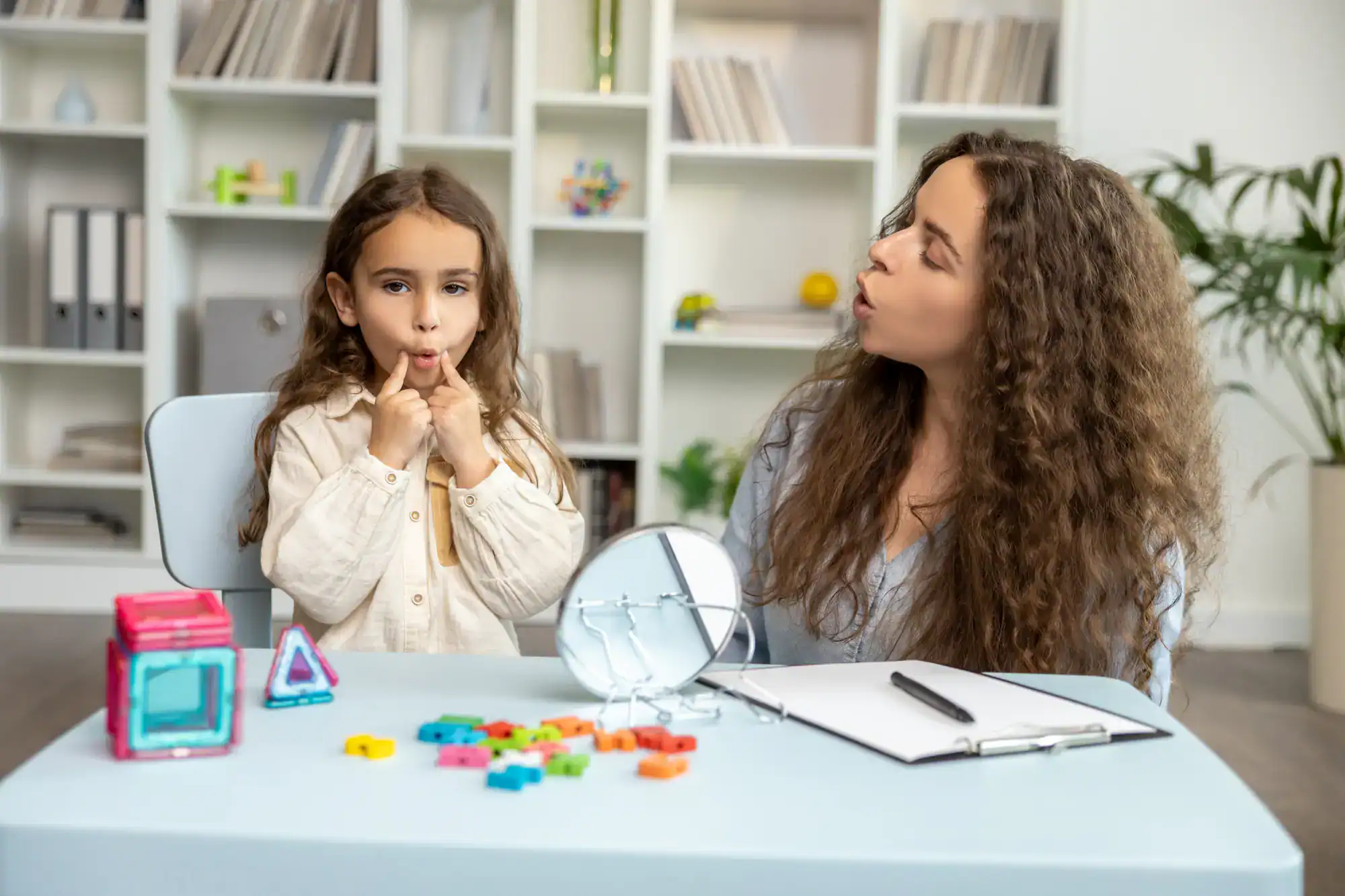

Your child starts communicating instead of acting out. Those daily meltdowns become manageable moments. School anxiety transforms into confidence, and ADHD symptoms no longer control your family’s routine.
You’ll watch your child develop real coping skills they can use for life. The constant worry about whether you’re handling things right? That fades as you see genuine progress and your child’s natural resilience emerge.
This isn’t about fixing your child—they’re not broken. It’s about giving them the tools to navigate their emotions and the world around them with confidence and clarity.
We’ve been serving Suffolk County families for years, understanding the unique challenges children face in our community. Our licensed therapists specialize in child mental health, using evidence-based approaches that actually work.
We know Patchogue families value both results and relationships. That’s why our approach combines proven therapeutic techniques with genuine care for each child’s individual needs.
Unlike larger practices where your child becomes just another case number, we maintain the personal attention that makes real change possible. Every child who walks through our doors gets a treatment plan designed specifically for them.

First, we meet with you and your child to understand what’s really happening. No judgment, no rushing—just listening to get the full picture of your child’s world and your family’s needs.
Then we create a personalized treatment plan. For younger children, this often includes play therapy for kids in Patchogue, where they can express themselves naturally through activities that feel safe and engaging. For older kids, we use age-appropriate child counseling techniques that meet them where they are.
Throughout the process, you’re involved. We provide you with strategies to support your child at home and collaborate with teachers when school issues are part of the picture. Progress happens when everyone’s working together.

Ready to get started?
We specialize in helping children with ADHD, anxiety, depression, and behavioral challenges through our comprehensive child mental health services in Patchogue, NY. Our services include individual child therapy, play therapy for anxiety, and family therapy sessions when needed.
Patchogue families often come to us when traditional approaches haven’t worked. We understand that Suffolk County children face unique pressures—from academic expectations in local schools like Patchogue-Medford to social challenges—and we address these local realities in our treatment.
Our child therapists are trained in multiple evidence-based approaches, including cognitive behavioral therapy, play therapy techniques, and trauma-informed care. This means we can adapt our methods to what works best for your specific child, not force them into a one-size-fits-all approach.

Look for changes that persist for several weeks and impact your child’s daily life. This might include frequent meltdowns, withdrawal from activities they used to enjoy, significant changes in sleep or eating patterns, or ongoing struggles at school despite your best efforts to help.
Many Patchogue parents wait too long, thinking these are just phases. While some behavioral changes are normal, professional child therapy support can prevent small issues from becoming bigger problems and give your child skills they’ll use for life.
Trust your instincts. If you’re consistently worried about your child’s emotional wellbeing or behavior, that’s usually a good indicator that talking to a professional child therapist could be helpful.
Child therapy uses developmentally appropriate techniques that match how kids naturally communicate and process information. For younger children, this often means play therapy for kids, where they express feelings through toys, games, and creative activities rather than just talking.
We also involve parents much more actively in the process. Children don’t exist in isolation—they’re part of family systems, school environments, and peer groups. Effective child counseling addresses these relationships and gives parents tools to support progress at home.
The goals are often different too. While adults might focus on insight and understanding, kids therapy emphasizes building concrete skills for managing emotions, improving behavior, and developing confidence in real-world situations.
Most children show some positive changes within the first 4-6 sessions of child therapy in Patchogue, though meaningful progress usually takes 3-6 months of consistent work. The timeline depends on your child’s specific challenges, their age, and how actively the family participates in the process.
For issues like anxiety or ADHD-related behaviors, you might notice improvements in specific situations first—like bedtime routines becoming easier or fewer school-related meltdowns. These small wins build momentum for bigger changes.
We track progress throughout treatment and adjust our child mental health services approach based on what’s working. Some children need shorter-term support for specific issues, while others benefit from longer-term therapy to build lasting coping skills and emotional resilience.
Absolutely. School collaboration is often crucial for your child’s success, especially when ADHD, anxiety, or behavioral issues are affecting their academic experience. We can communicate with teachers, school counselors, and other support staff with your permission.
This might include helping develop classroom strategies, supporting IEP or 504 plan processes, or providing teachers with specific techniques that work well for your child. We understand how Suffolk County schools operate and can navigate these systems effectively.
The goal is creating consistency between home, school, and our child therapy sessions so your child gets the same support and expectations across all environments. This unified approach typically leads to faster, more sustainable progress.
Be honest but age-appropriate. For younger children, you might say something like, “We’re going to meet someone who helps kids with their feelings and teaches them new ways to handle big emotions.” For older children, you can be more direct about specific goals.
Avoid framing child therapy as punishment or something that’s wrong with them. Instead, present it as getting extra help with something challenging—like getting a tutor for a difficult subject. Emphasize that many kids work with therapists and it’s a normal way to learn new skills.
Let them know they’ll have some say in the process and that the child therapist is there to help them, not to judge them. Most children are more receptive than parents expect, especially when they understand therapy is about making their life easier, not harder.
This is incredibly common in child therapy, and we’re trained to work with reluctant children. We start by building rapport through activities they enjoy rather than forcing conversation. Play therapy for anxiety, art activities, or even just sitting quietly together can be therapeutic.
We meet children where they are emotionally and developmentally. Some kids need several sessions just to feel comfortable in the space before they’re ready to open up. We respect this process and don’t rush it.
Often, children communicate more through their behavior and play than through words anyway. A child who won’t talk about their anxiety might show it clearly through their choice of toys or how they interact during activities. We’re trained to understand these non-verbal communications and work with them effectively.