
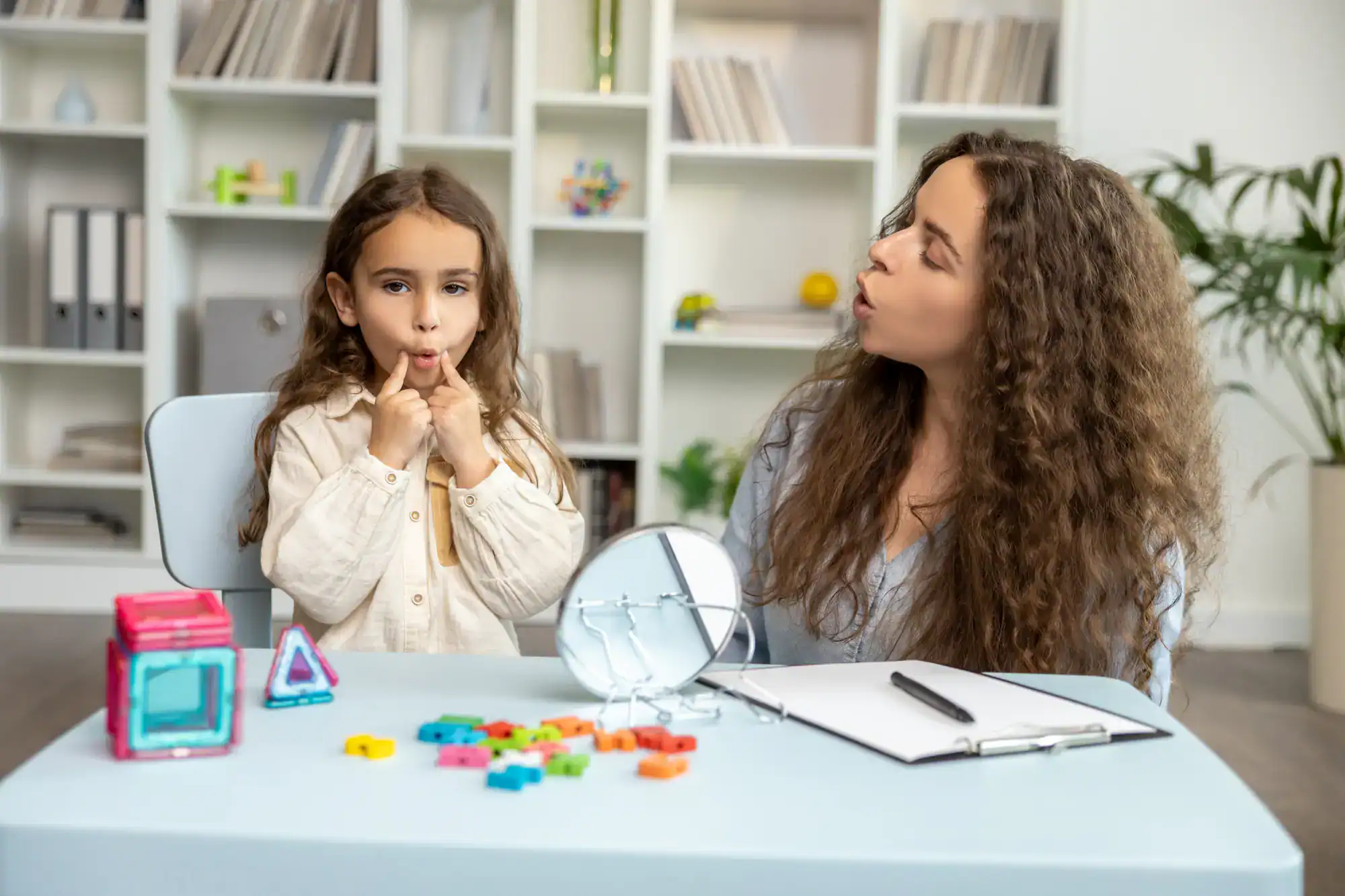

Your child can learn to manage anxiety, focus better in school, and feel confident in their own skin. We use proven approaches like play therapy and cognitive behavioral techniques specifically designed for young minds.
When children receive the right support, they develop coping skills that last a lifetime. They sleep better, engage more at home and school, and rediscover their natural curiosity and joy.
You’ll see the difference in how they handle challenges, express their feelings, and connect with others. That’s what effective child therapy looks like.
At Dynamic Counseling LCSW, we have been serving families in Mount Sinai and throughout Suffolk County with specialized child mental health services. Our approach combines the latest neuroscience research with time-tested therapeutic methods.
We understand that Mount Sinai families value both academic achievement and emotional wellbeing. That’s why we work closely with local schools and pediatricians to ensure your child gets comprehensive support.
We are specifically trained in childhood ADHD, anxiety, and depression—conditions that often occur together and require specialized expertise to treat effectively.

We start with a comprehensive assessment to understand your child’s unique needs, strengths, and challenges. This includes talking with you about what you’re seeing at home and coordinating with teachers when appropriate.
Your child’s treatment plan is built around approaches that work for their age and personality. Younger children often respond well to play therapy, while school-age kids benefit from cognitive behavioral techniques adapted for their developmental level.
Throughout treatment, we keep you involved and informed. You’ll learn strategies to support your child at home, and we’ll adjust our approach based on what’s working. Most families start seeing positive changes within the first few sessions.

Ready to get started?
We treat the full spectrum of childhood mental health conditions, with particular expertise in ADHD, anxiety disorders, and depression. Many children have more than one condition—about 78% of kids with ADHD also have another diagnosis like anxiety.
Our services include individual therapy, family sessions, and coordination with your child’s school when needed. We use evidence-based treatments including play therapy for younger children, cognitive behavioral therapy for school-age kids, and family therapy to strengthen your home environment.
Mount Sinai families appreciate our understanding of local school systems and community resources. We can help you navigate IEP meetings, connect with supportive services, and ensure your child gets the comprehensive care they deserve.

Look for persistent patterns that interfere with your child’s daily life. For ADHD, this might include difficulty focusing on homework, trouble sitting still during meals, or impulsive behavior that causes problems at school or with friends.
Anxiety in children often shows up as excessive worry about school performance, reluctance to try new activities, physical complaints like stomachaches before school, or difficulty sleeping. Many children have both conditions—about 40% of kids with ADHD also experience anxiety.
If these behaviors persist for more than a few weeks and are impacting your child’s happiness, school performance, or family relationships, it’s worth getting a professional assessment. Early intervention typically leads to better outcomes.
Play therapy uses games, toys, art, and imaginative play to help children express feelings they might not have words for yet. It’s particularly effective for younger children who naturally communicate through play rather than talking.
During play therapy sessions, children work through difficult emotions, practice new coping skills, and build confidence in a safe environment. They might use dolls to act out family situations, create artwork to express feelings, or play games that teach emotional regulation.
Research shows play therapy is especially helpful for anxiety, trauma, behavioral issues, and depression in children. It allows them to process experiences at their own pace while developing the emotional tools they need to handle challenges.
Most families notice some positive changes within the first 4-6 sessions. You might see your child sleeping better, having fewer meltdowns, or showing more confidence in new situations.
The timeline depends on several factors: the complexity of your child’s challenges, how long symptoms have been present, and your family’s involvement in the process. Children with single conditions like anxiety often progress faster than those with multiple diagnoses.
Significant, lasting changes typically develop over 3-6 months of consistent therapy. We track progress regularly and adjust our approach based on what’s working best for your child and family.
Yes, collaboration is essential for your child’s success. With your permission, we coordinate with teachers, school counselors, pediatricians, and other professionals involved in your child’s care.
This might include attending IEP meetings, providing recommendations for classroom accommodations, or consulting with your child’s doctor about medication management. We understand Suffolk County school systems and can help you navigate available resources.
Family involvement is equally important. We teach parents specific strategies to support their child’s progress at home and help siblings understand what’s happening. When everyone is working together, children make faster and more lasting improvements.
Children’s brains are still developing, so they need different therapeutic approaches than adults. We use age-appropriate techniques that match how children naturally learn and communicate.
Younger children (ages 3-7) often work best with play-based interventions, art therapy, and hands-on activities. School-age children (8-12) can handle more structured cognitive behavioral techniques but still benefit from creative and interactive approaches.
We also involve families much more than in adult therapy. Children live in family systems, so we work with parents and siblings to create supportive environments at home. This comprehensive approach leads to better outcomes than treating the child in isolation.
Resistance is completely normal—many children feel nervous about therapy or don’t understand why they need it. We specialize in building trust with reluctant young clients and making therapy feel safe and even enjoyable.
We start by meeting children where they are emotionally and letting them set the pace. Some children warm up quickly through games or art activities, while others need several sessions to feel comfortable. We never force participation but instead create an environment where children naturally want to engage.
Parents play a crucial role here too. We help you explain therapy in age-appropriate ways and address any fears your child might have. Once children realize therapy is their special time to play, create, and be heard without judgment, resistance typically fades.