
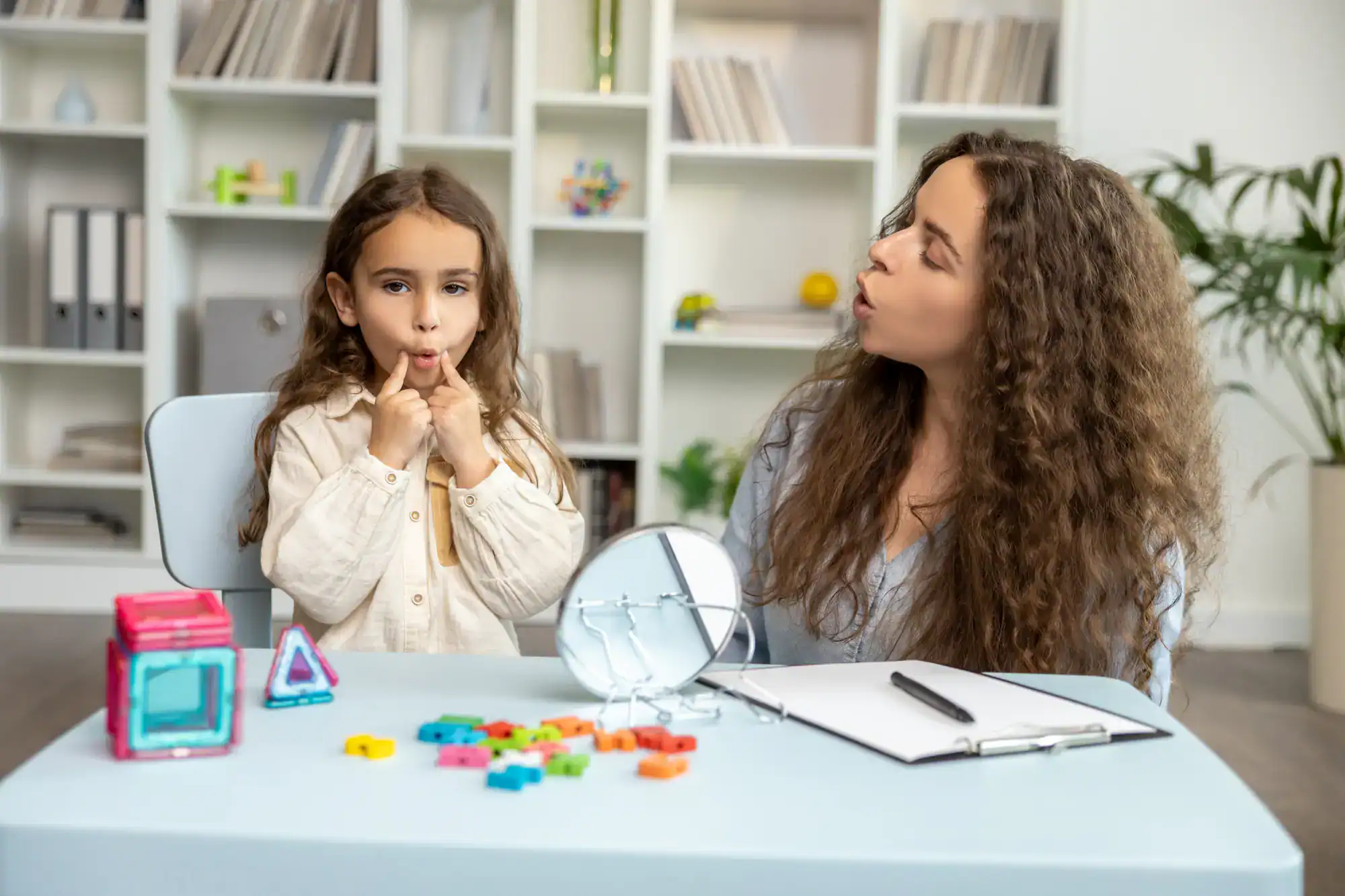

Your child doesn’t have to carry their struggles alone. Through our specialized child counseling in Melville, NY, kids learn healthy ways to express their feelings and develop the coping skills they need to thrive.
You’ll see the difference when your child starts sleeping better, participating more at school, and engaging with the family again. Our play therapy techniques meet children where they are, using their natural language of play to help them process difficult emotions and experiences.
The relief you feel when your child starts smiling again—that’s what we’re here for. Every child deserves to feel understood, supported, and capable of handling life’s challenges.
Dynamic Counseling LCSW brings neuroscience-backed child therapy to families in Melville, NY. We’re licensed therapists who have spent years studying how children’s minds develop and what actually helps them heal.
We’re not just another therapy practice. We understand the unique pressures that families in Suffolk County face, from academic expectations to social dynamics that can overwhelm young minds.
Your child won’t sit in a sterile office talking about feelings they can’t yet name. Instead, they’ll engage in play therapy, art, and age-appropriate techniques that help them communicate in ways that feel natural and safe.

First, we meet with you to understand what your child is experiencing and what you’ve already tried. No judgment here—we know you’re doing your best in a difficult situation.
Then, we create a safe space where your child can be themselves. Through play therapy for kids in Melville, NY, children naturally express what they’re feeling without pressure to “talk about it” like adults do. Play is how kids process their world.
Throughout the process, we keep you involved. You’ll learn strategies that work at home, understand what your child is working through, and see real progress as they develop healthier ways to handle stress, anxiety, or behavioral challenges.

Ready to get started?
Our kids therapy in Melville, NY addresses the specific challenges children face in today’s world. We work with anxiety that keeps kids awake at night, ADHD that makes school feel impossible, and depression that steals their natural joy.
Many children in Suffolk County deal with academic pressure, social media stress, and family changes like divorce. We understand these local dynamics and help kids develop resilience specific to their environment.
Each child receives an individualized treatment plan that grows with them. Whether your child needs help processing trauma, managing big emotions, or building social skills, we adapt our approach to what works best for their personality and developmental stage.

Trust your instincts as a parent. If your child’s behavior, mood, or functioning has changed significantly and isn’t improving with time and your support, therapy can help.
Look for signs like persistent sadness, increased anxiety, behavioral outbursts, difficulty sleeping, problems at school, or withdrawal from activities they used to enjoy. Changes in appetite, frequent meltdowns, or expressing feelings of worthlessness are also indicators.
Remember, seeking help early often prevents bigger problems later. You don’t need to wait until things become severe—many families find that therapy helps children develop stronger coping skills before challenges become overwhelming.
Play therapy uses children’s natural language—play—to help them express feelings and work through challenges. Instead of sitting and talking like adult therapy, kids engage with toys, games, and creative activities that feel fun and natural.
Through play, children can safely explore difficult emotions, practice new behaviors, and process experiences they might not have words for yet. A trained play therapist observes and gently guides these interactions to promote healing and growth.
This approach is particularly effective because children naturally communicate through play. It reduces anxiety about therapy and allows kids to work at their own pace in a way that feels comfortable and engaging to them.
Many families notice small improvements within the first few sessions, but meaningful change typically takes time. Every child is different, and progress depends on factors like the nature of their challenges, their age, and family involvement.
Research shows that about 80% of children who improve do so relatively quickly, often within 6-12 sessions, while others may need longer-term support for more complex issues. We’ll regularly check in with you about progress and adjust our approach as needed.
What’s important is that you’ll see gradual changes—better sleep, improved mood, fewer meltdowns, or increased participation in activities. Real healing happens in layers, and we’ll celebrate each step forward with you and your child.
Yes, parent involvement is crucial for your child’s success in therapy. We work as a team because you know your child best and you’re the constant in their life.
We’ll teach you strategies that work at home, help you understand what your child is processing, and show you how to support their progress between sessions. This doesn’t mean you’re doing anything wrong—it means we’re strengthening what you’re already doing right.
Some sessions may be just with your child, others may include family time, and we’ll also meet with you separately to discuss progress and strategies. This collaborative approach helps changes stick and gives your child consistent support across all environments.
Absolutely. Our therapy for kids with ADHD in Melville, NY focuses on helping children develop executive functioning skills, emotional regulation, and coping strategies that make daily life more manageable.
For anxiety, we use play therapy and age-appropriate techniques to help children understand their worries and develop tools to handle anxious feelings. Many kids don’t realize that anxiety is treatable—they think feeling worried all the time is just how life is.
We also work closely with parents to create supportive environments at home and collaborate with schools when helpful. While medication can be part of treatment for some children, therapy provides essential life skills that help kids thrive long-term, regardless of their diagnosis.
The first session is about getting to know your child and making them feel comfortable. We’ll start by meeting with you and your child together, then spend time with your child individually while you complete paperwork.
Your child won’t be pressured to talk about problems right away. Instead, we’ll focus on building rapport through play, games, or activities they enjoy. Many kids leave that first session saying they had fun—which is exactly what we want.
We’ll end by briefly discussing next steps with you and answering any questions. Your child might not share much about the session, which is normal and healthy. What matters is that they feel safe and understood, which sets the foundation for all the work ahead.