
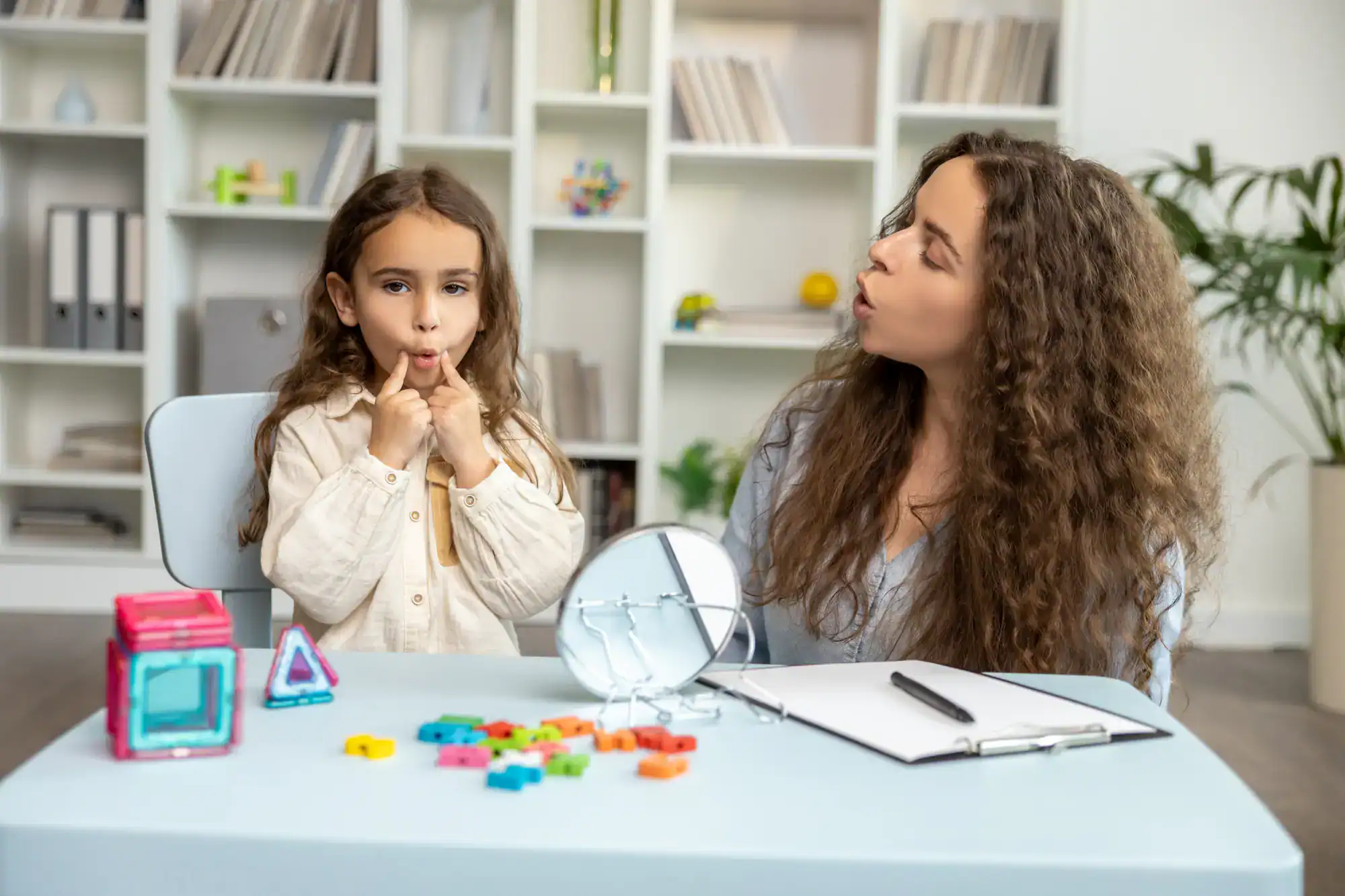

You’ll see the difference when your child starts sleeping better, handling school stress without meltdowns, and actually talking to you about their day. Our child therapy in Manorville, NY helps kids process emotions they can’t quite put into words yet.
Your child learns real coping strategies through play therapy—not just “talk it out” sessions that feel overwhelming to young minds. They develop emotional regulation skills that stick with them through middle school, high school, and beyond.
The behavioral outbursts decrease. The anxiety around new situations becomes manageable. Your family dinners become peaceful again because your child has tools to handle whatever their world throws at them.
We at Dynamic Counseling LCSW have been serving Manorville, NY families for years, understanding the unique pressures kids face in Suffolk County schools. We know the Eastport-South Manor district well and work closely with school counselors when needed.
Our licensed therapists specialize in child development and use evidence-based approaches that work with how children naturally communicate—through play, art, and movement. We’re not trying to turn your 8-year-old into a tiny adult who can articulate complex emotions.
In a community where 36% of households have children under 18, we’ve seen it all: ADHD challenges, anxiety from academic pressure, social struggles, and family transitions. Your child isn’t broken, and you’re not failing as a parent—sometimes kids just need professional support to navigate their growing world.

First, we meet with you and your child together for an initial consultation. We’ll discuss what’s been happening at home and school, what you’ve tried, and what your goals are. Your child gets to see our play therapy room and understand this isn’t scary—it’s actually fun.
Then your child begins individual sessions using play therapy techniques. They might work through anxiety using games, process difficult emotions through art, or practice social skills with role-playing activities. Everything happens at their pace, in their language.
We keep you involved throughout the process. You’ll get strategies to support your child at home, and we’ll coordinate with teachers if needed. Most families see positive changes within the first few sessions, though every child’s timeline is different. The goal is giving your child lifelong tools for emotional wellness.

Ready to get started?
Our child therapy in Manorville, NY addresses the full spectrum of childhood mental health needs. We specialize in ADHD support, helping kids develop focus strategies that work in classroom settings. Our anxiety treatment uses play therapy to help children feel safe processing overwhelming emotions.
We also support children through major life transitions—divorce, moving to Manorville, starting at a new school in the district, or adjusting to family changes. Depression in children looks different than adult depression, and we’re trained to recognize and treat childhood-specific symptoms.
For Manorville families, we understand the pressure of living in a high-achieving community where kids feel they need to be perfect. We help children develop healthy self-esteem and realistic expectations while building resilience for future challenges. Our approach honors each child’s unique personality and learning style.

Trust your parental instincts—if you’re noticing persistent changes in your child’s behavior, sleep patterns, or emotional responses, it’s worth exploring professional support. Common signs include frequent meltdowns over small issues, withdrawal from activities they used to enjoy, or expressing fears that seem disproportionate to the situation.
Academic struggles that aren’t explained by learning differences, difficulty making or keeping friends, or aggressive behavior at home or school are also indicators. In Manorville’s competitive academic environment, some children develop anxiety around performance that affects their overall wellbeing.
Remember, seeking child therapy doesn’t mean something is “wrong” with your child or your parenting. It means you’re providing them with additional tools to navigate their world successfully, just like you might provide tutoring for academic subjects.
Play therapy works because it meets children where they are developmentally. While adults process emotions through talking, children naturally express themselves through play, art, and movement. Our trained therapists can understand what your child is experiencing by observing how they interact with toys, games, and creative materials.
In play therapy sessions, children work through anxiety by acting out scenarios with dolls or puppets, process family changes through drawing, or practice social skills through structured games. It doesn’t feel like “therapy” to them—it feels like playing with a caring adult who really listens.
This approach is particularly effective for Manorville children because it removes the pressure to verbalize complex emotions they don’t have words for yet. Instead of feeling interrogated, they feel heard and understood, which creates the safety needed for real emotional growth and healing.
Most families notice positive changes within the first 4-6 sessions, though every child’s timeline is unique. Some children respond quickly to having a safe space to express themselves, while others need more time to build trust with their therapist and develop new coping strategies.
For specific issues like ADHD support or anxiety management, you might see improvements in daily functioning within a few weeks. Deeper emotional work, such as processing trauma or significant family changes, typically takes longer but creates lasting change.
We’ll check in with you regularly about what you’re observing at home and school. The goal isn’t to keep your child in therapy indefinitely—it’s to give them tools they can use independently. Many children graduate from therapy feeling more confident and equipped to handle whatever comes next in their development.
Yes, with your permission, we work closely with school counselors, teachers, and other support staff to ensure your child receives consistent support across all environments. We understand the specific challenges and expectations within the Eastport-South Manor school system.
This coordination is especially helpful for children with ADHD, anxiety, or social difficulties. We can provide teachers with strategies that work for your child, help develop accommodation plans, or support IEP processes when appropriate. The goal is creating a unified support system.
We also help children navigate school-specific stressors like test anxiety, peer conflicts, or transitions between grade levels. Our familiarity with local schools means we understand the social dynamics and academic pressures your child faces daily, allowing us to provide more targeted and effective support.
The first session is designed to be comfortable and non-threatening for your child. We’ll start with you and your child together, discussing what brings you to therapy in age-appropriate language. Your child will get to explore our play therapy room and understand that this is a safe, fun space.
We’ll explain therapy in terms children understand—that it’s like having a special helper who teaches new ways to handle big feelings or tricky situations. There’s no pressure to share deep emotions immediately; we focus on building rapport and helping your child feel comfortable.
By the end of the first session, your child should feel curious about returning rather than anxious. We’ll also give you initial observations and discuss our recommended treatment approach. Remember, therapy is collaborative—your input as a parent is crucial to your child’s success, and we welcome your questions and concerns throughout the process.
Our ADHD support combines evidence-based behavioral strategies with play therapy techniques that help children develop executive functioning skills in engaging ways. We work on attention, impulse control, and emotional regulation through games and activities that don’t feel like work to your child.
For Manorville families, we understand the academic expectations children face and help develop strategies that work within classroom settings. This might include teaching self-advocacy skills, creating organization systems, or developing coping strategies for overwhelming situations.
We also support the whole family, providing parents with behavior management techniques and helping siblings understand ADHD. Our approach recognizes that ADHD affects family dynamics, and successful treatment involves everyone working together. We coordinate with schools to ensure consistency and can support accommodation planning when needed.